
Why OTAs Get Cheaper Group Fares
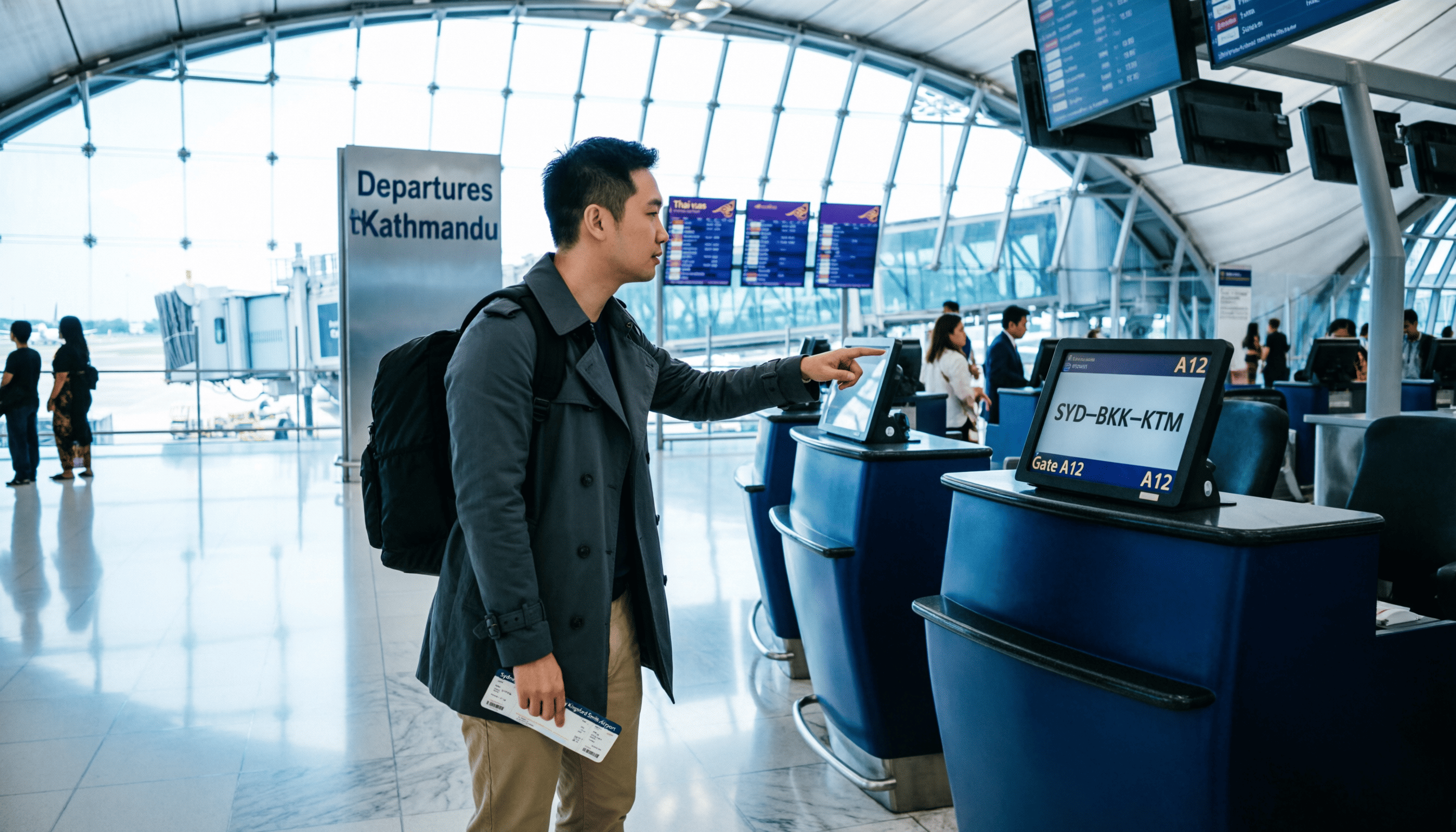
Ever wondered how online travel agencies sell tickets cheaper than airlines?
It's not magic. It's contracts.
OTAs have wholesale agreements with airlines that give them access to rates you'll never see on airline websites.
Here's exactly how it works.
Volume Contracts Unlock Wholesale Pricing
Airlines divide their business into two channels:
Retail channel:
- Direct bookings on airline.com
- Priced for maximum revenue per seat
- No volume discounts
- Designed for individual travelers
Wholesale channel:
- Travel agencies and OTAs
- Bulk pricing based on annual volume
- Significant discounts for commitment
- Designed for volume sellers
OTAs like SkyTrips commit to selling thousands of seats per year. In return, airlines offer us rates 15-25% below retail.
You benefit from our volume even if you're only booking 3 seats.
Consolidator Fares Explained
Airlines sell blocks of unsold inventory to consolidators at deep discounts.
Consolidators are middlemen who purchase:
- Off-peak season excess capacity
- Less popular routes
- Seats likely to go unsold
They pay 30-40% below retail. Then sell to OTAs at 20-30% below retail.
OTAs pass these savings to customers while keeping small margin.
Example:
- Airline retail price: $2,000
- Consolidator purchase price: $1,300
- OTA customer price: $1,650
- Your savings: $350
Airline fills seat that would've gone empty. You save $350. Everyone wins.
Unpublished Fare Classes
Airlines use letter codes for fare classes: Y, B, M, H, Q, K, L, etc.
Published fare classes:
- Visible on airline websites
- Available to all customers
- Higher prices
Unpublished fare classes:
- Only accessible to contracted agents
- Not visible on public booking engines
- 10-20% cheaper than published fares
- Same flight, same seat, lower price
When you search airline.com, you see Y, B, M fares.
When we search with our agent credentials, we also see W, G, T fares (unpublished).
These unpublished fares can save $200-500 per ticket.
OTAs maintain year-round contracts with airlines that include pre-negotiated group rates, access to consolidator fares, and unpublished fare classes.
Commission Sharing Model
Airlines pay OTAs commission on every ticket sold.
This commission comes from:
- Base ticket price (1-5% of fare)
- Ancillary services (baggage, seats, meals)
- Booking volume bonuses
- Performance incentives
Because airlines save on their own infrastructure costs (call centers, retail spaces), they can afford these commissions.
OTAs operate lean. Lower overhead means we can offer competitive prices and still profit from commissions.
You don't pay extra. Airline pays us to do the selling work they'd otherwise do themselves.
Direct Airline Relationships
Major OTAs have dedicated account managers at each airline.
These relationships give us:
Priority customer service:
- Direct phone lines (no 2-hour hold times)
- Faster issue resolution
- Better refund processing
Flexible policies:
- Name change fee waivers (sometimes)
- Date change negotiation room
- Emergency rebooking priority
Advanced booking capabilities:
- Hold seats without immediate payment
- Group desk access
- Bulk inventory allocation
Individual customers calling airline directly get standard policies. We get access to decision-makers who can make exceptions.
Group flight booking from Nepal to Australia shows how these relationships benefit families.
Technology Advantages
OTAs use professional booking systems (GDS - Global Distribution Systems) like:
- Amadeus
- Sabre
- Travelport
These systems show:
- All available fare classes (including unpublished)
- Real-time inventory across all airlines
- Bundled routing options
- Historical pricing data
Airline websites only show their own inventory and published fares.
GDS shows everything, giving us power to find the absolute best deal.
Economies of Scale
Processing one booking costs roughly the same as processing 100.
Airlines have:
- Fixed technology costs
- Customer service overhead
- Marketing expenses
These costs get spread across each transaction.
Airline processing cost per booking: ~$30-50 OTA processing cost (volume-based): ~$5-10
This efficiency lets OTAs charge lower fees or absorb costs that airlines pass to customers.
No Retail Markup
When you buy directly from airlines, you pay:
- Base fare
- Airline's retail markup (15-30%)
- Taxes and fees
- Service charges
When you buy from OTAs, you pay:
- Wholesale fare (already 15-25% below retail)
- Small OTA margin (5-10%)
- Taxes and fees
- Often no service charges (built into margin)
Even with OTA margin, total price stays below airline retail.
Why Airlines Allow This
Seems counterintuitive. Why would airlines sell cheaper through OTAs than their own website?
Reasons:
- Market segmentation:
- Price-sensitive customers use OTAs
- Brand-loyal customers book direct
- Each channel serves different customer type
- Inventory management:
- OTAs help fill off-peak flights
- Clear excess capacity
- Reduce empty seat losses
- Distribution efficiency:
- OTAs handle customer service burden
- Reduce airline infrastructure costs
- Access customers airlines can't reach directly
- Competitive pressure:
- If airlines don't work with OTAs, competitors will
- Market share matters more than margins on every single ticket
Group Booking Advantages Multiply Savings
Individual wholesale fares save 10-15%.
Group bookings through OTAs add another 10-15% on top.
Why group booking increases OTA savings:
- Airlines reserve special group inventory
- Group desks offer lower base rates
- Volume commitments get better pricing
- Payment flexibility adds value
- Name changes reduce risk
Combined savings:
- Wholesale base: 15% off retail
- Group discount: 15% off wholesale
- Total savings: 27% off airline retail price
For $2,000 retail ticket, you pay ~$1,450 with group OTA booking.
Booking Flights Through Online Travel Agencies (OTAs) in Australia details booking advantages with OTAs.
When Airlines Beat OTAs
Rare, but happens in specific scenarios:
Flash sales: Airlines sometimes offer 24-48 hour sales on their website. These promotional fares may beat OTA wholesale pricing.
Airline-specific credit cards: Companion vouchers, status benefits, or credit card points often require direct booking.
Last-minute deals: Airlines clearing inventory 1-3 days before departure might price below OTA access.
Business/First class: Premium cabin sales often happen on airline sites. OTA wholesale advantages focus on economy.
For 90%+ of economy group bookings, OTAs offer better pricing.
Frequently Asked Questions
Why can't I see these OTA rates when I search airline websites?
Airlines segment pricing by distribution channel. Retail websites show retail prices. Wholesale fares (sold to OTAs) are not published on consumer-facing platforms. You must book through an OTA to access wholesale rates.
Do OTAs charge extra fees that make the total cost higher?
Legitimate OTAs include all fees in quoted price. There should be no surprise charges at checkout. Compare total price (including all taxes and fees) between airline and OTA. Reputable OTAs clearly show full breakdown before payment.
Can I earn airline miles when booking through an OTA?
Yes. You book the ticket through an OTA, but you still fly on the airline. Your frequent flyer number gets attached to the reservation, and you earn miles based on fare class and distance flown. Miles earned are same whether you book direct or through OTA.
What happens if something goes wrong with a ticket booked through an OTA?
OTA acts as your advocate with the airline. If flight is cancelled, delayed, or you need changes, contact the OTA first. We have direct airline contacts and can resolve issues faster than you calling airline customer service. Keep OTA contact details handy when traveling.
Are OTA group fares refundable like airline tickets?
Refund policies depend on fare rules, not who sold the ticket. OTA group fares typically have same refund terms as individual tickets: change fees of $150-400, cancellation penalties, etc. However, OTAs often negotiate better change terms for group bookings compared to individual bookings.
How do I know if an OTA is legitimate and not selling fake tickets?
Verify OTA is IATA certified (International Air Transport Association). Legitimate OTAs provide ticket numbers immediately after payment. You can verify ticket on airline website using PNR (booking reference). Avoid OTAs that won't provide ticket numbers or booking confirmations.