
Biosecurity & Customs: What Parents Shouldn't Carry
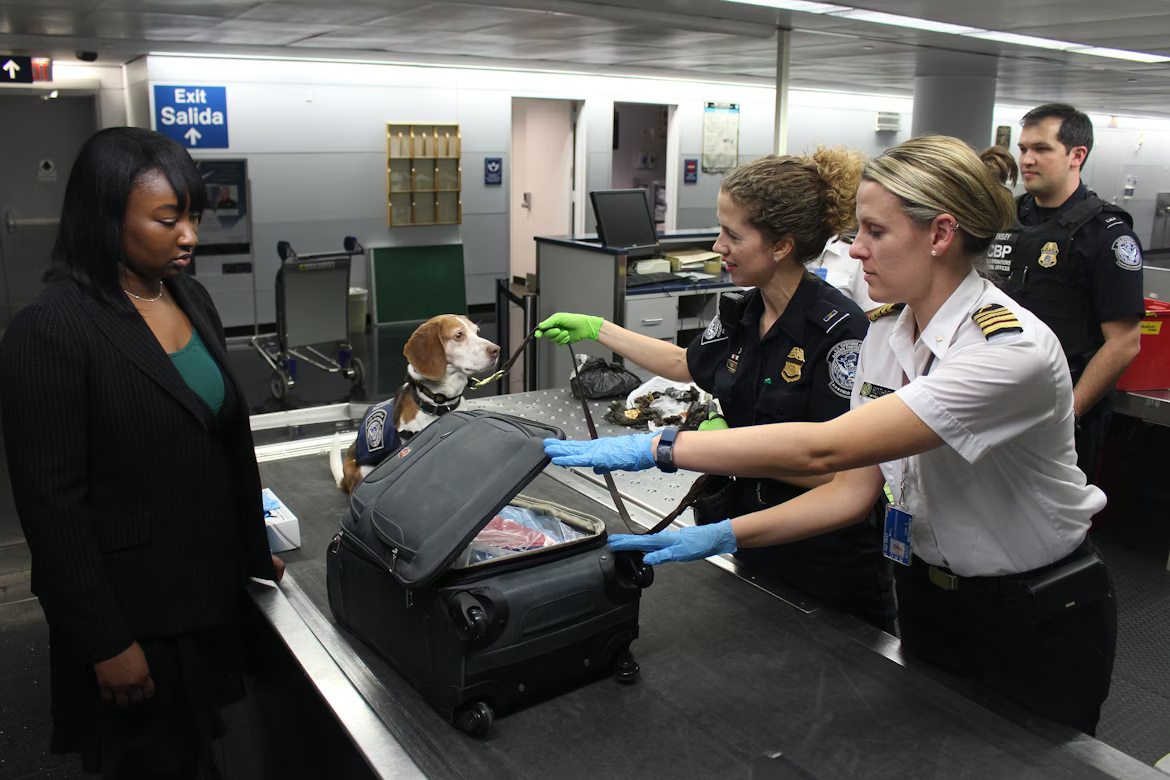
Your mother packed dried meat (sukuti) and seeds from her garden.
She lands in Sydney. Declares nothing at customs.
Biosecurity officer opens her bag.
$6,660 fine.
Australian biosecurity is the strictest in the world. One mistake costs thousands of dollars.
Here's exactly what parents can and cannot bring.
Why Australia is So Strict
Australia is an island continent.
It has unique plants and animals found nowhere else.
Foreign seeds, pests, and diseases could devastate ecosystems and agriculture.
In 2023, Australian Biosecurity officers issued over $1.5 million in fines for high-risk food items. Nepalese parents often carry dried meats or seeds which are strictly prohibited.
This isn't a suggestion. It's law.
Penalties are severe. Enforcement is strict.
Transit, immigration and arrival in Australia covers complete arrival process including biosecurity.
The Golden Rule: Declare Everything
When in doubt, declare.
Declaring something that turns out to be prohibited = officer throws it away, no fine.
Not declaring something prohibited = minimum $2,664 fine, up to $6,660 for serious violations.
What Nepalese Parents Commonly Bring (And Shouldn't)
Strictly Prohibited (Will Get Fined)
Dried meat products:
Sukuti (dried buffalo/goat meat)
Chatpate with dried meat
Any dried, smoked, or jerked meat
Fine if not declared: $2,664-$6,660
Seeds of any kind:
Vegetable seeds for garden
Flower seeds
Medicinal plant seeds
Even decorative seeds on jewelry
Fine: $2,664 minimum
Fresh fruits and vegetables:
Any fresh produce
Mangoes, apples, oranges
Potatoes, onions, garlic
Fine: $2,664
Honey:
All honey products
Honey in comb
Fine: $2,664
Eggs:
Fresh eggs
Preserved eggs
Fine: $2,664
Live plants or plant material:
Cuttings
Bulbs
Roots
Dried plant materials for medicine
Fine: $2,664-$6,660
Fresh dairy:
Unpasteurized milk products
Fresh cheese
Fine: $2,664
Usually Allowed (With Conditions)
Commercially packaged spices:
✅ Allowed: Factory-sealed spice packets with English labeling
❌ Not allowed: Loose spices in plastic bags, raw spices with pods/stems
Tea:
✅ Allowed: Commercially packaged tea bags
❌ Not allowed: Loose leaf tea without packaging, tea with plant materials
Instant noodles:
✅ Allowed: Commercially packaged, shelf-stable
❌ Not allowed: If contains dried meat/egg
Biscuits and packaged snacks:
✅ Allowed: Factory-sealed cookies, chips, namkeen
❌ Not allowed: Homemade biscuits, unwrapped snacks
Canned foods:
✅ Allowed: Commercially canned, sealed, with labels
❌ Not allowed: Home-canned items, dented/damaged cans
Ayurvedic/traditional medicines:
✅ Allowed: Factory-packaged pills/tablets with ingredients listed
❌ Not allowed: Raw herbs, plant roots, unlabeled medicines
Prescription medications:
✅ Always allowed with doctor's prescription
❌ Requires: Doctor's letter, original packaging
The Declaration Process
Filling Out Incoming Passenger Card (On Plane)
Flight attendants distribute white card before landing.
Question: "Are you carrying any..."
If parents have ANY:
Food items
Wooden items
Plant materials
Traditional medicines
Money over $10,000 AUD
Mark YES.
Better to declare too much than too little.
At Biosecurity Checkpoint
After collecting luggage, before exit.
Parents approach biosecurity desk.
Officer asks: "Anything to declare?"
If marked YES on card:
"I have food items."
Hand over card. Officer checks bags.
What Happens During Inspection
Officer opens bags.
Looks for:
Food items
Seeds
Plant material
Wooden items
Suspicious packaging
For each item found:
If allowed: "This is okay, keep it."
If prohibited but declared: "I need to dispose of this, please."
No fine. Just confiscation.
If prohibited and NOT declared:
"This is prohibited. You didn't declare it. That's a violation."
Instant fine: $2,664 minimum.
What to Tell Parents Before They Pack
Safe Items to Bring
Commercial packaged foods:
Sealed spice packets (labeled in English)
Tea bags in original box
Instant noodles (check ingredients, no meat)
Packaged biscuits
Sealed chips/snacks
Tinned foods with labels
Clothing and textiles:
All clothing allowed
Fabrics
Traditional Nepali outfits
Gifts:
Factory-made items
Handicrafts (without seeds/plant materials)
Books
Electronics
Items Parents Should NOT Pack
Do NOT bring:
Any dried meat (sukuti, etc.)
Any seeds (garden, medicinal, decorative)
Fresh fruits or vegetables
Honey
Fresh eggs
Live plants
Loose spices in bags
Home-canned foods
Unlabeled traditional medicines
Wooden items with bark
If parents insist on traditional foods:
Buy commercially packaged versions in Australia after arrival.
Sydney, Melbourne, Brisbane all have Nepali grocery stores selling:
Commercial packaged Nepali spices
Instant mixes
Snacks
Canned items
Not worth risking $6,660 fine to bring it from Nepal.
Money Declaration Rules
Cash over $10,000 AUD (or equivalent):
Must be declared.
This includes:
Australian dollars
Nepalese rupees
Any other currency
Travelers cheques
Bank drafts
How to declare:
Mark YES on passenger card.
Fill in amount.
Show officer at customs.
Not illegal to bring money. Just must be declared.
Failure to declare = confiscation of ALL money + penalty.
Traditional Medicine Complexities
Elderly Nepalese parents often carry traditional medicines.
Rules:
Allowed:
Commercial pills/tablets with ingredient labels
Small quantities for personal use (3-month supply)
With doctor's prescription
Not allowed:
Raw plant materials (roots, bark, dried herbs)
Unlabeled powders
Animal-derived ingredients (musk, bone, etc.)
Large quantities (commercial importation requires permits)
Best practice:
If medicine is essential, get:
Doctor's letter listing what it treats
English translation of ingredients
Original packaging with labels
If medicine is just general wellness, better to skip it than risk confiscation.
Wooden Items
Problem: Wood can carry insects, fungi.
Allowed:
Manufactured wooden items (furniture, handicrafts)
Treated wood products
Items with smooth finish, no bark
Not allowed:
Raw wood with bark
Driftwood
Wooden items with soil/insects
Plant parts disguised as wood
Declare all wooden items.
Officer inspects. If acceptable, parents keep. If questionable, might require fumigation (parents pay) or disposal.
What Parents Should Say at Customs
Officer: "Anything to declare?"
If parents brought any questionable items:
"I have food items. I marked yes on my card."
If officer asks "What food items?"
List them honestly:
"Spice packets, tea, biscuits" or whatever parents have.
Officer may ask to open bags.
Parents should cooperate immediately.
Stand back. Let officer inspect.
Don't touch bags until officer says okay.
If Officer Finds Undeclared Prohibited Items
Officer: "You have dried meat. Did you declare this?"
If parents didn't declare:
Officer issues fine.
Fine amount:
First offense, cooperative: $2,664
Serious items (meat, seeds): $6,660
Multiple violations: $6,660+
Parents must pay before leaving airport or commit to paying later.
Credit card or cash.
No negotiation. Fixed penalty.
Detector Dogs
Australia uses beagle detection dogs at baggage claim.
Dogs sniff for:
Meat products
Fresh fruit
Seeds
Dairy
If dog alerts to parents' bag:
Officer stops parents for inspection.
This is NOT accusation.
Dogs alert to trace amounts. Parents might not even have prohibited items.
What to do:
Stay calm. Let officer inspect. Cooperate fully.
Compliance Mindset for Parents
Tell parents:
"Australian rules are very strict. Don't risk fines."
"If you want to bring food, only factory-packaged items with English labels."
"When in doubt, declare. Declaring is free. Not declaring costs thousands."
Cultural adjustment:
In Nepal, bringing home-cooked food or garden seeds is thoughtful gift.
In Australia, it's serious biosecurity violation.
Different country, different rules.
Parents must understand this before packing.
After Clearing Biosecurity
Officer stamps passenger card: "Cleared"
Parents proceed to exit.
This is final checkpoint.
After this, parents are in arrivals hall where you're waiting.
Immigration questions parents are asked covers the previous checkpoint (immigration).
Creating Pre-Packing Checklist for Parents
Give parents this checklist 2 weeks before travel:
✅ SAFE TO PACK
Commercially packaged spices (sealed, labeled in English)
Tea bags in original box
Packaged biscuits/cookies
Instant noodles (check no meat ingredients)
Sealed chips/snacks
Tinned/canned foods with labels
Prescription medications (with doctor's letter)
Clothing and textiles
Factory-made gifts
Books and electronics
❌ DO NOT PACK
Dried meat (sukuti, chatpate meat, any meat)
Seeds (any kind)
Fresh fruits or vegetables
Honey
Fresh eggs
Live plants or plant cuttings
Loose spices in plastic bags
Home-canned foods
Unlabeled traditional medicines
Wooden items with bark
More than $10,000 cash without declaring
⚠️ DECLARE IF BRINGING
Any food items
Wooden items
Traditional medicines
Cash over $10,000 AUD
Emphasize: When in doubt, ASK. Better to leave questionable items in Nepal than face fines.
Frequently Asked Questions
Can parents bring Nepali pickles (achar)?
Only if commercially packaged and preserved in oil or vinegar (not water-based). Homemade pickles in reused jars are prohibited. Declare all pickles at customs. Officer will determine if allowed. If officer says no, item confiscated but no fine if declared.
What if parents don't speak English and can't read declaration card?
Flight attendants usually help passengers fill cards. If not, parents can ask fellow Nepali passengers or show card to you via WhatsApp photo (fill it out remotely and tell them what to mark). Better yet, practice filling sample card before travel so parents recognize questions.
Can fines be reduced if parents explain they didn't know the rules?
No. Fines are fixed. "I didn't know" is not accepted defense. Parents are expected to check biosecurity rules before travel. Information available in multiple languages on Australian government websites. This is why pre-departure education is crucial.
What happens if parents refuse to pay fine at airport?
Fine goes to collections. Parents' visa may be cancelled. Future visa applications will be denied or heavily scrutinized. Credit rating affected. Legal action possible. Never refuse to pay. If parents genuinely cannot pay immediately, talk to supervising officer about payment plan options.
Can parents mail prohibited items to themselves in Australia instead of carrying?
No. Same biosecurity rules apply to packages. Items will be seized by border control. Sender (in Nepal) and receiver (parents in Australia) both face penalties. Never attempt to mail prohibited items. Buy legal versions in Australia instead.
What if biosecurity confiscates expensive traditional medicine?
No compensation. Parents lose item and its value. This is why parents should: (1) Check if medicine ingredients are allowed, (2) Declare it, (3) Have prescriptions, (4) Only bring essential medicines, (5) Consider buying legal alternatives in Australia's Ayurvedic shops.
Do Australian biosecurity rules apply to transit passengers not leaving airport?
If parents are only transiting through Australia (not entering, continuing to New Zealand for example), they stay in international area and don't go through biosecurity. But if entering Australia (clearing immigration), full biosecurity inspection applies even if just visiting briefly.