
Immigration Questions Parents May Get Asked in Australia
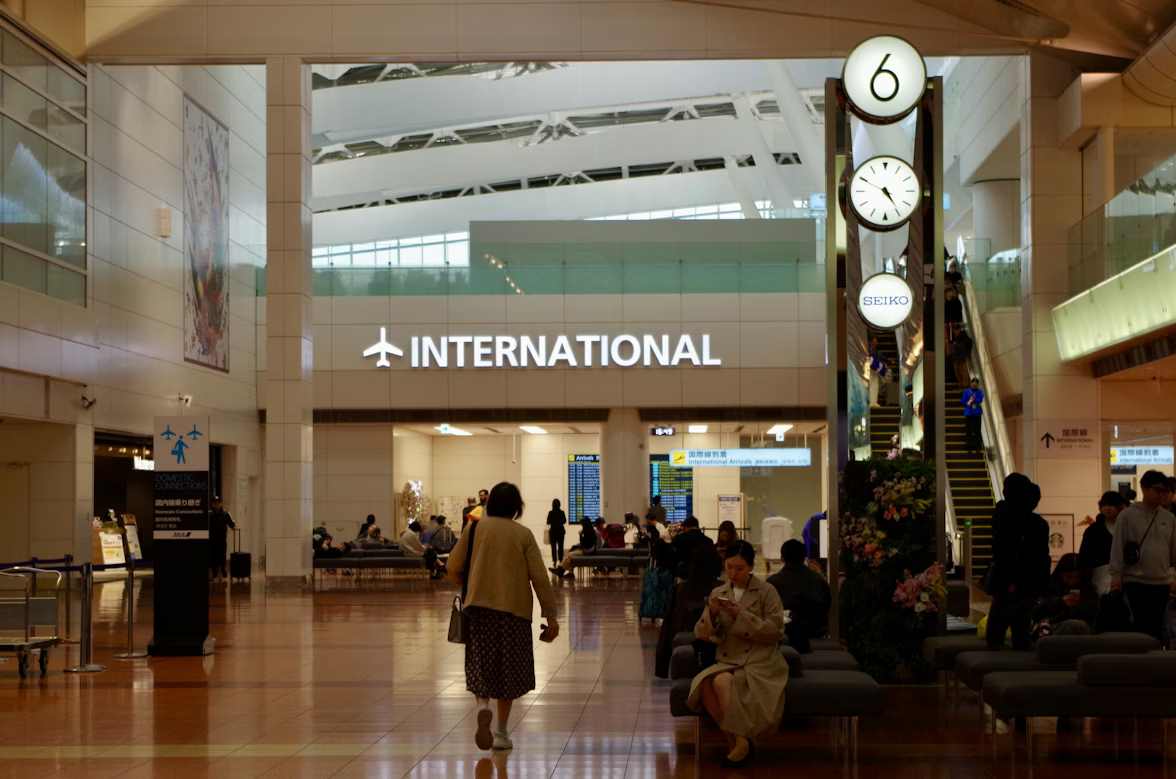
Your parents don't speak English fluently.
They land at Sydney Airport. The immigration officer calls them forward.
Starts asking questions.
They panic. Now you have got a problem as you cannot be there in person to answer the question for them. While translators will be provided, some questions may require your or your parent's direct answers.
This guide shows you every question immigration asks and how parents should answer.
The Immigration Process Explained
After parents land and before baggage claim, they go through immigration.
Two options:
- SmartGate (automated machines)
- Manual immigration counters (officers)
For first-time elderly Nepalese visitors, use manual counters.
SmartGate confuses elderly travelers. Manual officers are patient with non-English speakers.
Transit, immigration and arrival in Australia covers the complete process step-by-step.
Standard Questions Asked
Immigration officers ask same questions to verify information matches visa application.
Question 1: "Purpose of Visit?"
What they're verifying: Matches visa application reason.
How to answer:
Simple one-word answers work:
- "Tourism"
- "Visiting family"
- "Holiday"
Don't over-explain. Short answers are best.
If officer asks follow-up: "Who are you visiting?"
Answer: "My son/daughter" or "My family"
Question 2: "How Long Will You Stay?"
What they're verifying: Matches visa validity and return ticket.
How to answer:
State duration clearly:
- "Three months"
- "Six months"
- "Two months"
Must match return ticket date.
If visa allows 6 months but return ticket is 3 months away, say "Three months."
Question 3: "Where Will You Stay?"
What they're verifying: Have accommodation arranged.
How to answer:
- "With my son in Sydney"
- "With my daughter in Melbourne"
- "With family in Brisbane"
Parents should have your address written on paper to show officer if asked.
Don't memorize address. Just show written address.
Question 4: "Do You Have a Return Ticket?"
What they're verifying: Intent to leave Australia (genuine temporary entrant).
Australian Visitor Visas (Subclass 600) require "Genuine Temporary Entrant" proof. A return ticket is cited as the #1 piece of evidence for intent to return home.
How to answer:
"Yes"
Then show return ticket confirmation (have printed copy ready).
Officer may ask return date. Parents can show ticket rather than verbally answering.
Question 5: "Have You Visited Australia Before?"
What they're verifying: Travel history matches records.
How to answer:
- "Yes" (if visited before)
- "No" (if first visit)
If yes, officer may ask: "When was your last visit?"
Answer with year: "2023" or "Last year"
Question 6: "What Do You Do for Work?"
What they're verifying: Employment/retirement status matches visa application.
How to answer:
- "Retired"
- "Housewife"
- "I don't work"
- "Business owner" (if applicable)
Don't say: "I'm unemployed" (sounds negative).
Better: "I'm retired" or "I don't work anymore"
Question 7: "Do You Have Family in Nepal?"
What they're verifying: Ties to home country (reason to return).
How to answer:
"Yes"
If asked who: "My other children" or "My siblings" or "My spouse" (if only one parent traveling)
Shows connection to Nepal and reason to return home.
Questions About Money
Officers sometimes ask about finances.
"How Will You Support Yourself During Visit?"
What they're verifying: Won't work illegally or need welfare.
How to answer:
- "My son/daughter will support me"
- "Family support"
- "My savings"
Parents don't need to show bank statements unless officer specifically requests.
Usually just verbal answer is fine.
"Do You Have Travel Insurance?"
What they're verifying: Medical coverage for visit.
How to answer:
"Yes" (if purchased, show documents)
Note: Not mandatory to have insurance, but highly recommended.
If no insurance, just say "No." Officer may advise getting it but won't deny entry.
Red Flag Questions (Rare)
Occasionally officers ask additional questions if something seems unusual.
"Why Are You Staying So Long?" (For 5-6 Month Visits)
What they're concerned about: Extended stays sometimes indicate intent to overstay.
How to answer:
- "Visiting grandchildren"
- "Spending time with family"
- "Long holiday to see my children"
Supporting documents helpful:
- Return ticket showing departure date
- Invitation letter from you
- Proof of ties to Nepal (property documents, pension statements)
"What Do Your Children in Australia Do?"
What they're verifying: Family situation matches visa application.
How to answer:
Simple answer:
- "Software engineer"
- "Nurse"
- "Student"
- "Business"
Don't need details. General occupation is enough.
"Do You Speak English?"
Honest answer is fine:
"No" or "A little"
Officer will:
- Speak slowly
- Use simple words
- May use translation service
- Be patient
Parents should not pretend to speak English if they don't.
Better to admit language limitation. Officers help non-English speakers regularly.
Language Assistance Available
Parents don't need perfect English.
Translation services:
- Phone interpreters available in Nepali
- Officer calls interpreter, three-way conversation
- Free service
- Takes 5-10 minutes to arrange
How to request:
Parent can say: "Nepali please" or "Translation please"
Or show card saying: "I need Nepali interpreter"
Print this card for parents:
I do not speak English well.
I need a Nepali interpreter.
Please call translation service.
Thank you.
Keep in wallet. Show to officer if needed.
What NOT to Say
Some answers create problems.
Never Say: "I Might Stay Longer"
Why it's bad: Implies uncertain plans, possible overstay.
Instead say: State exact duration matching return ticket.
Never Say: "I Want to Live Here"
Why it's bad: Visitor visa is for temporary visits only.
Instead say: "Visiting family" or "Holiday"
Never Say: "I'm Looking for Work"
Why it's bad: Visitor visa prohibits work.
Instead say: "Retired" or "Just visiting"
Never Say: "I Don't Know When I'm Returning"
Why it's bad: No clear intent to leave.
Instead say: Show return ticket date.
Body Language Tips
Non-verbal communication matters.
Do:
- Make eye contact (shows honesty)
- Smile politely
- Stand/sit calmly
- Hand over documents when requested
- Wait patiently
Don't:
- Fidget nervously
- Avoid eye contact
- Argue or get defensive
- Volunteer extra information
- Rush or interrupt
Officers assess demeanor. Calm, cooperative behavior helps.
Documents to Have Ready
Parents should have these in hand when approaching immigration:
Essential:
- Passport
- Incoming passenger card (filled out on plane)
- Return ticket confirmation (printed)
- Your contact details (name, phone, address on paper)
Supporting (if asked):
- Visa grant letter (printed)
- Invitation letter from you
- Travel insurance documents
- Bank statements (if visa required)
Keep in clear folder. When officer asks for passport, hand entire folder.
Makes process faster and shows organization.
If Officer Seems Concerned
Rare, but sometimes officer needs more information.
Stay calm.
What might happen:
Secondary screening:
- Officer directs parent to separate area
- More detailed questions
- Document verification
- Not denial of entry, just additional checking
Typical reasons for secondary:
- First-time visit to Australia
- Long stay duration (5-6 months)
- Older visa on record with some issue
- Random selection (happens to everyone sometimes)
What parents should do:
- Follow officer's instructions
- Provide requested documents
- Answer questions honestly
- Request interpreter if needed
- Call you if allowed (officer may permit phone call to verify details)
What you should do:
- Keep phone on and charged
- Be available to answer officer's questions
- Have all visa and booking documents ready on your end
- Stay calm and professional on phone
Practicing Before Travel
Help parents prepare.
One week before flight:
Sit with parents and practice questions/answers.
Role play:
You: "What is purpose of visit?"
Parent: "Visiting family"
You: "How long will you stay?"
Parent: "Three months"
Practice in both:
- English (basic answers)
- Nepali (so they understand questions)
Record answers on phone so parents can listen and practice.
The more familiar parents are with questions, the less stressful immigration will be.
Special Situations
Traveling as Couple
Both parents go through immigration separately (different lines usually).
They may be asked:
- "Where is your spouse?"
- "What is your spouse's name?"
Answers:
- "Also coming through immigration" or "In other line"
- State spouse's name
Officers sometimes verify couples are together by asking same questions to both.
Answers should match.
Traveling with Medical Conditions
If parent has serious medical condition noted in visa application:
Officer may ask: "Do you have health insurance?"
Answer: "Yes" (show insurance documents)
Or: "Are you traveling with medication?"
Answer: "Yes" (for prescribed medications with doctor's letter)
Previous Overstay or Visa Issues
If parent had previous visa problem:
Officer will ask about it.
Be honest. Records are in system.
Explain what happened and what's different now:
- Previous overstay: "I made a mistake. This time I have return ticket for exact date."
- Previous visa cancellation: "I understand the rules now. Here is my return ticket and accommodation proof."
Honesty is crucial. Lying about visa history = automatic entry denial.
After Immigration Cleared
Officer stamps passport.
Parent proceeds to baggage claim.
Don't celebrate too early. Still need to clear customs/biosecurity after collecting bags.
Biosecurity and customs guide for Nepalese parents explains the final checkpoint.
Frequently Asked Questions
What if parents can't understand immigration officer's questions?
Request Nepali interpreter immediately. Say "Nepali interpreter please" or show prepared card requesting interpreter. Officer will call phone translation service (free). Three-way conversation: officer asks question in English, interpreter translates to Nepali, parent answers in Nepali, interpreter translates to English for officer.
Can immigration deny entry even with approved visa?
Yes, but rare. Visa grants permission to travel to Australia, not guaranteed entry. Immigration officer at airport makes final entry decision. Can deny if: answers contradict visa application, no return ticket, suspected intent to overstay, serious health/security concerns. With proper preparation and honest answers, denial is extremely unlikely.
How long does immigration interview take?
Usually 2-5 minutes for straightforward cases. May be 10-15 minutes with interpreter. Secondary screening can take 30-60 minutes. SmartGate (if used successfully) takes under 2 minutes. Manual counters are slower but better for elderly non-English speakers who need patient handling.
What if parents accidentally give wrong answer (nervousness)?
Officers understand nervousness, especially elderly first-time travelers. If parent realizes mistake, politely correct it immediately: "Sorry, I meant to say three months, not six months." If officer notices inconsistency, they'll ask follow-up questions to clarify. Honesty is key. If uncertain how to answer, parents can say "I don't understand question" and request clarification or interpreter.
Can parents call me from immigration area if they need help?
Usually no. Immigration area is secure and phone use is restricted. However, if officer needs to verify information and parents don't speak English well, officer may call you directly or allow parent to call you with officer present. Keep phone on and be ready to answer. Have all booking and visa documents ready on your end.
Do immigration officers ask different questions to elderly travelers?
Questions are same for all visitor visa holders. However, officers are generally more patient with elderly travelers, speak slower, and are more willing to use interpreters. They understand elderly travelers may be nervous and may not have traveled internationally before. Cooperative, honest elderly travelers rarely face problems.
What if parents brought prohibited items and are honest at immigration?
Immigration doesn't handle biosecurity (prohibited items). That's customs/biosecurity after baggage claim. At immigration, focus is on visa/entry eligibility. If parents mention bringing food items at immigration, officer will note it but main inspection is at biosecurity checkpoint where parents declare items. Honesty at biosecurity is crucial (fines for non-declaration can be $2,000-6,000).