
Do Nepali Citizens Need a Transit Visa? A Country-by-Country Guide (2026)
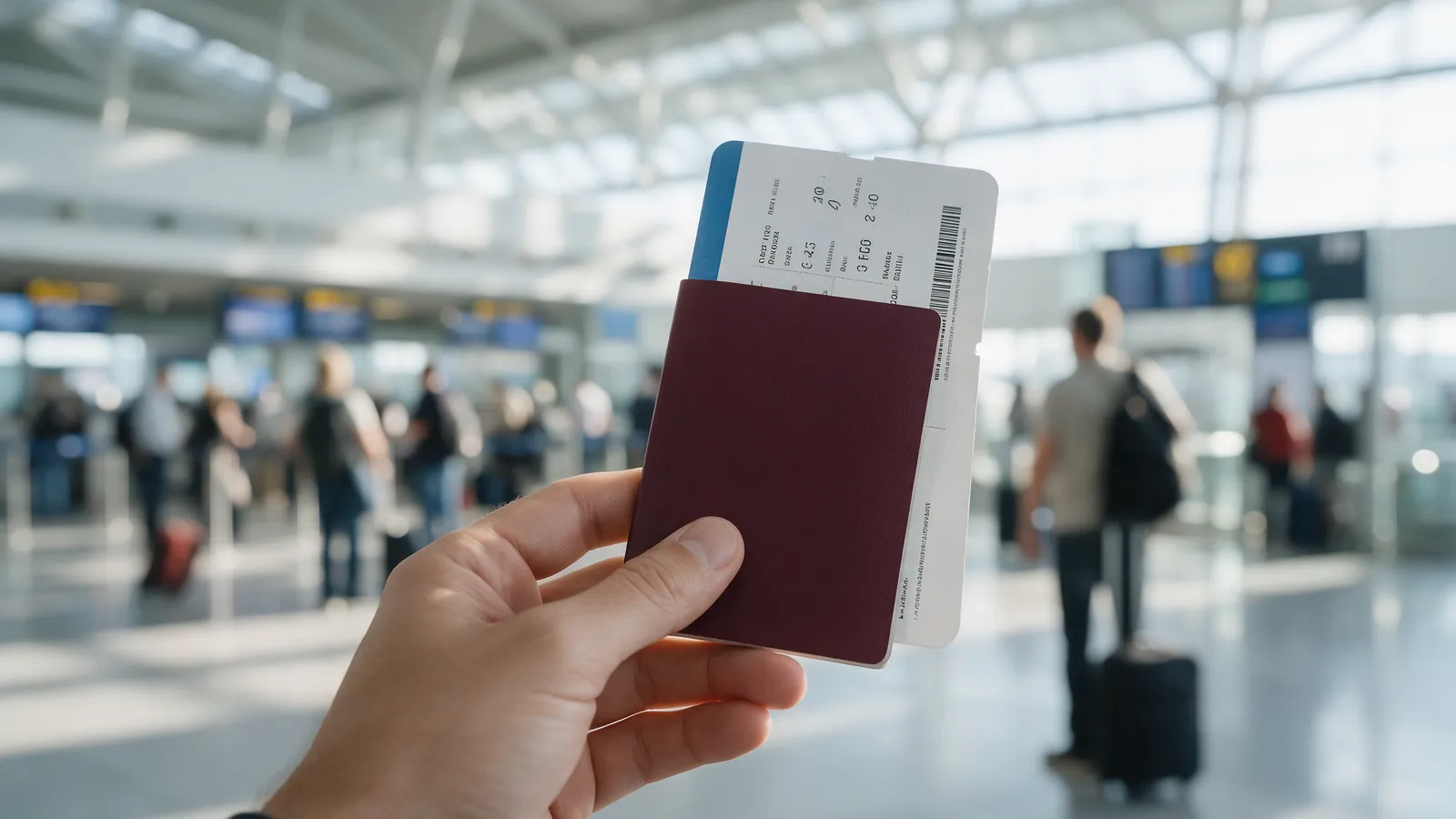
If you hold a Nepali passport, a layover can be the most stressful part of the journey. Will you need a visa just to change planes? The answer depends on which country you're transiting through, whether you stay inside the airport, and what other visas you already hold.
This guide covers the airports Nepali travellers use most, especially on routes between Nepal and Australia, plus the trickier transit countries such as the UK, Europe and the USA.
Important: visa rules change often, and airlines can refuse boarding if your documents aren't right. Use this guide to plan, then always confirm with the airline and the official government source for your transit country before you travel.
First, understand airside vs landside transit
Almost every transit rule turns on one question: do you pass through immigration during your layover?
- Airside transit: you stay in the international transit area, walk to your next gate and never pass through passport control. Many countries let Nepali travellers do this without a visa.
- Landside transit: you pass through immigration, even briefly. That usually means you need a visa for that country.
You will usually have to go landside if you:
- are on separate tickets and must collect and re-check your bags;
- need to change airports (or, at some airports, terminals);
- want to leave the airport during a long layover or stay at a hotel outside the transit zone;
- have a connection the airline won't check through, for example with some low-cost carriers.
Tip: book your whole journey on one ticket with bags checked through to your final destination. It's the simplest way to stay airside. Our Sydney to Kathmandu flight guide compares the best single-ticket connections.
Transit rules by country for Nepali passport holders
| Transit hub | Airside transit (stay in airport) | Leaving the airport |
|---|---|---|
| Singapore (Changi) | No visa needed | Nepali citizens can enter visa-free for short stays; complete the SG Arrival Card |
| Malaysia (Kuala Lumpur) | No visa needed if you stay in the transit area | Malaysia eVisa required |
| Thailand (Bangkok) | No visa needed if you stay in the transit area | Thailand eVisa required |
| Hong Kong | No visa needed if you stay in the transit area | Visa or entry permit required in advance |
| China (e.g. Guangzhou) | Usually no visa for a direct airside connection within 24 hours | Chinese visa required |
| Qatar (Doha) | No visa needed if you stay in the transit area | eVisa required (apply through Hayya) |
| UAE (Dubai, Abu Dhabi) | No visa needed if you stay in the transit area | UAE visa required |
| Japan (Tokyo) | Generally no visa for a same-airport connection | Japanese visa required (eVisa available to residents of Australia and some other countries) |
| United Kingdom | Direct Airside Transit Visa (DATV) required unless you're exempt | Visitor in Transit or Standard Visitor visa |
| Schengen / Europe | Depends on the country. Some require an Airport Transit Visa | Schengen visa required |
| United States | No airside transit. You always need a visa | C-1 transit visa or a valid US visa |
| Australia | Generally a Transit visa (subclass 771) unless you hold another valid Australian visa | Appropriate Australian visa |
Asian hubs on Nepal–Australia routes
The good news for anyone flying between Nepal and Australia is that the most popular connecting airports are straightforward for Nepali passport holders.
Singapore
Singapore is one of the easiest transit points. Nepali citizens don't need a visa for short visits, so both airside and landside transit are simple. If you plan to leave the airport, submit the SG Arrival Card online in the three days before you arrive.
Malaysia (Kuala Lumpur)
You can connect at Kuala Lumpur International Airport without a visa as long as you stay in the transit area. If you need to go through immigration, for example to collect bags on a separate ticket, you'll need a Malaysian eVisa.
Thailand (Bangkok)
Transiting airside at Suvarnabhumi is visa-free. Entering Thailand requires an eVisa, so avoid itineraries that force you to re-check bags, or apply in advance.
Hong Kong and China
Hong Kong allows airside transit without a visa. In mainland China, airports such as Guangzhou (China Southern's hub) generally let travellers make a direct international connection within 24 hours without a visa, provided they stay in the airport. Leaving the airport requires a Chinese visa.
Gulf hubs: Doha, Dubai and Abu Dhabi
Qatar Airways, Emirates and Etihad connections are all fine airside without a visa. For a long layover where you want to leave the airport, Qatar offers an eVisa through its Hayya platform, while the UAE requires a visa arranged in advance.
Japan: transiting from the USA and elsewhere
A common question is whether a Nepali passport holder needs a visa to transit Japan on the way to or from the USA. If you're connecting at the same airport and staying in the transit area, a visa generally isn't required. You'll need a Japanese visa if you change airports (for example Narita to Haneda), leave the airport, or can't have your bags checked through. Nepali citizens living in Australia can apply for Japan's eVisa if they do want to stop over.
United Kingdom: the DATV
The UK is the transit country most likely to catch Nepali travellers out. Nepal is on the UK's list of nationalities that need a Direct Airside Transit Visa (DATV), even to change planes without leaving the airport.
You may be exempt if you hold certain valid documents, such as a visa or permanent residence for Australia, the USA, Canada or New Zealand, or an EU/EEA residence permit. The exemptions are specific, so check the UK government's official visa checker before booking a connection through London.
Europe (Schengen)
Changing planes inside the Schengen area usually doesn't require a visa at airport level, but some individual Schengen countries require an Airport Transit Visa (ATV) for certain nationalities. Holding a valid visa or residence permit for countries like the USA, Canada or Australia can exempt you. Rules vary by country, so check with the embassy of the specific country you're connecting through.
United States: the C-1 transit visa
The USA has no airside transit. Every international passenger goes through US immigration, even to change planes. Nepali citizens therefore need either:
- a C-1 transit visa, which only covers passing through; or
- another valid US visa, such as a B1/B2 visitor visa, which also covers transit.
If you don't have a US visa, it's usually far easier to route through Asia, the Gulf or Europe instead.
Transiting through Australia
If you're passing through Australia to somewhere else, such as New Zealand or the Pacific, Nepali citizens generally need an Australian Transit visa (subclass 771) unless they already hold another valid Australian visa. Check the Department of Home Affairs website for current conditions.
Transit checklist for Nepali travellers
- Book on a single ticket with bags checked through.
- Check each transit country's rules, on both the outbound and return legs.
- Make sure your passport is valid for at least six months.
- Carry proof of your onward flight and your visa for the final destination.
- If you hold an Australian, US, Canadian or NZ visa or PR, carry it. It can exempt you from some transit visas.
- Allow extra time for connections. A missed connection can force an unplanned landside transit. Travelling with elderly parents? Read our guide to wheelchair and special assistance.
Not sure which route suits your passport? Our team books Nepal–Australia travel every day and can recommend a connection that keeps you airside. Ask us or compare Sydney–Kathmandu flights.
Frequently Asked
Reader Guide & FAQs
Further Exploration
View all
Special Assistance and Wheelchair Requests on Flights Explained
Need a wheelchair or help at the airport? Here's how airline special assistance works, the different wheelchair service codes, how and when to request it, and what to expect at Kathmandu, transit airports and Australian airports.
Sydney to Kathmandu Flights: Airlines, Connections and Tips
Everything you need to know about flying Sydney to Kathmandu — which airlines fly the route, the best connecting airports, flight times, baggage, the cheapest time to book and tips for a smoother trip.